
Creamy Mashed Potatoes Recipe – Silky, Buttery, and Fluffy
-
Why This Creamy Mashed Potatoes Recipe Works
-
Ingredients
- If You Don't Have Heavy Cream
-
Equipment
-
What Are the Best Potatoes for Mashed Potatoes?
-
How to Make Creamy Mashed Potatoes
- 1. Start the Potatoes in Cold Water
- 2. Cook Until Completely Tender
- 3. Drain and Peel While Hot
- 4. Rice the Potatoes
- 5. Add the Butter First
- 6. Warm the Heavy Cream
- 7. Add the Cream Gradually
- 8. Season and Serve
-
Pro Tips for Better Mashed Potatoes
- Don't Overwork the Potatoes
- Keep the Dairy Warm
- Adjust the Cream, Not Just the Recipe
-
Two Optional Flavor Upgrades I Love
- Replace a Little Butter With Duck or Goose Fat
- 2. Infuse the Butter With Rosemary
-
What to Serve With Mashed Potatoes
-
Storage and Reheating
-
FAQ
- How long do you boil potatoes for mashed potatoes?
- Can I use Russet potatoes instead of Yukon Gold?
- Can I use milk instead of heavy cream?
- Why are my mashed potatoes gluey?
- Can I make mashed potatoes ahead of time?
- What can I add to mashed potatoes for more flavor?
-
Final Thoughts
-
You Might Also Like
Mashed potatoes are one of those dishes everyone knows, yet surprisingly few versions are truly memorable.
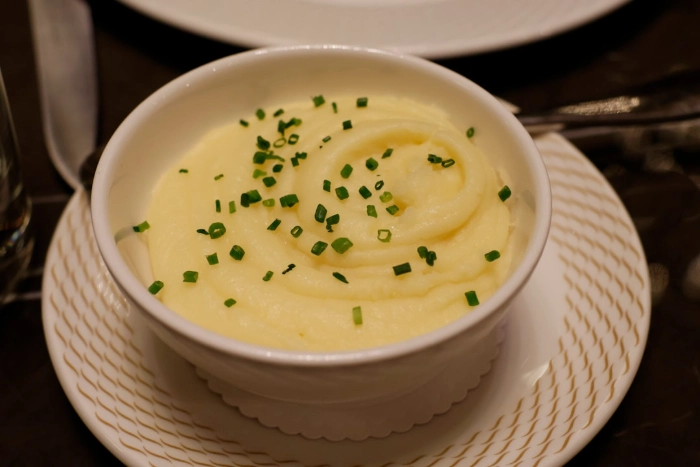
At their best, mashed potatoes are silky and rich without feeling heavy. They should be creamy enough to carry a sauce, soft enough to balance a roasted or seared piece of meat, and flavorful enough that you would happily eat a spoonful on their own.
And despite how simple the ingredient list looks, the difference between great mashed potatoes and a dense, gluey bowl of potatoes mostly comes down to technique.
For this creamy mashed potatoes recipe, I cook the potatoes whole, pass them through a potato ricer while they are still hot, work in the butter first, and only then gradually add warm heavy cream.
The result is the texture I personally look for: creamy and silky, but still light and fluffy rather than dense.
Why This Creamy Mashed Potatoes Recipe Works
There are no unusual ingredients here. What matters is how you use them.
Use the right potato. Yukon Gold potatoes have a naturally creamy texture and sit between very waxy and very starchy potatoes, making them particularly versatile for mashing. University extension sources similarly classify Yukon Gold as an all-purpose potato well-suited for mashing.
Cook the potatoes until completely tender. You should be able to slide a knife or fork into the center almost effortlessly.
Process them while they are hot. A potato ricer or food mill gives you a fine, even texture without aggressively working the potatoes.
Add the butter before the cream. This is the order I prefer for keeping the mash rich while still controlling how much liquid goes into the potatoes.
Warm the cream. Cold cream cools everything down immediately. Warm cream incorporates much more naturally into the hot potatoes.
And finally:
Do not blindly follow the liquid measurement. Potatoes do not contain exactly the same amount of moisture every time you buy them. The cream measurement is therefore a starting point rather than an absolute rule.
That little bit of judgment is part of cooking.
Ingredients
Makes approximately 6 servings.
1,200 g / 2.65 lb Yukon Gold or similar yellow potatoes
75 g / about 5 tbsp + 1 tsp unsalted butter, softened
275 g / about 1 cup + 2½ tbsp heavy cream
Salt
Freshly ground black pepper or white pepper
Freshly grated nutmeg
If You Don't Have Heavy Cream
You can make these mashed potatoes with milk instead.
Use approximately:
110 g / about 7¾ tbsp butter
240 g / about 1 cup milk
Heavy cream already brings additional fat to the recipe, so when replacing it with milk, I compensate with extra butter.
I would not reduce the fat much further if your goal is the same rich, creamy texture. Fat gives the creaminess, the milk gives it a lighter, airier, softer texture.
Equipment
You don't need complicated equipment.
Large pot
Small saucepan
Potato ricer, food mill, or potato masher
Silicone spatula or sturdy whisk
Fine grater or Microplane for the nutmeg
Large mixing or serving bowl
A potato ricer would be my first choice if you want the smoothest result.
What Are the Best Potatoes for Mashed Potatoes?
For this recipe, my first choice is Yukon Gold.
Yukon Gold is an all-purpose yellow-fleshed potato with a balance of starch and moisture. That makes it naturally creamy yet easy to mash. Russet potatoes contain more starch and generally produce a drier, fluffier result.
That doesn't mean Yukon Gold is the only potato you can use. If you cannot find it, look for a potato sold locally as suitable for mashing, ideally a floury or all-purpose variety rather than a very firm, waxy salad potato.
And this distinction is important:
Not every yellow potato is Yukon Gold. Choose based on the variety and cooking characteristics rather than color alone.
How to Make Creamy Mashed Potatoes
1. Start the Potatoes in Cold Water
Place the whole, unpeeled potatoes in a large pot and cover them generously with cold water.
Add a good amount of salt and bring the water to a boil, then reduce the heat to a steady, gentle simmer.
I like starting with cold water rather than dropping the potatoes into already boiling water, because they can heat more gradually from the outside toward the center and this minimalize the overcooking.
2. Cook Until Completely Tender
Depending on their size, the potatoes will usually need around 25–35 minutes.
Don't rely entirely on the clock. Insert a small knife or fork into one of the largest potatoes. When it slides through easily with very little resistance, the potatoes are ready.
This is more useful than an exact cooking time because potato sizes vary widely.
3. Drain and Peel While Hot
Drain the potatoes thoroughly and while they are still hot, carefully remove the skins.
Yes, this is probably the least pleasant part of the recipe.
Use a small knife, fork, or clean kitchen towel to help hold the potatoes, so you don't burn your fingers. You want to move fairly quickly because the next step works best while the potatoes are still warm.
4. Rice the Potatoes
Pass the hot, peeled potatoes through a potato ricer or food mill into a large bowl. If you're using a regular potato masher instead, mash until no obvious lumps remain. The goal is to create an even texture without unnecessarily beating the potatoes.
Once they're smooth, stop.
More mixing does not automatically make mashed potatoes smoother.
5. Add the Butter First
Add the softened butter to the hot riced potatoes in a few additions. Gently fold or stir until the butter has melted and disappeared into the potatoes before adding more.
You want the potatoes completely coated and rich before loosening their consistency with the cream.
6. Warm the Heavy Cream
Meanwhile, gently heat the heavy cream in a small saucepan.
It does not need to boil. You simply want it warm enough that adding it doesn't cool down the potatoes.
7. Add the Cream Gradually
Begin adding the warm cream a little at a time. Fold it gently into the potatoes and let each addition incorporate before adding more.
Do not automatically pour in the entire amount.
Different batches of potatoes can absorb different amounts of liquid. Stop when the mashed potatoes reach the desired texture.
For me, that means they should be silky and creamy but still hold soft, fluffy folds on a spoon.
If they are too thick, add another splash of warm cream. If you want them slightly richer, add another small piece of butter.
8. Season and Serve
Season with salt and freshly ground black or white pepper.
Then grate in a little fresh nutmeg. Nutmeg is subtle here - you don't necessarily want someone to immediately identify it. It should sit in the background, making the dairy and potatoes taste a little warmer and more aromatic.
Taste. - Adjust. - And serve while hot.
Pro Tips for Better Mashed Potatoes
Don't Overwork the Potatoes
This is probably the most important mistake to avoid.
You're making mashed potatoes, not whipping cream. Once the potatoes have been riced and the butter and cream are incorporated, stop mixing.
You want smooth potatoes without turning them into something stretchy and gluey.
Keep the Dairy Warm
Warm cream is much easier to incorporate into hot potatoes than refrigerator-cold cream.
It also helps keep the finished mashed potatoes at serving temperature.
Adjust the Cream, Not Just the Recipe
The 275 g of cream is not a commandment.
Your potatoes may want slightly less.
They may want slightly more.
Learning to recognize the texture you're looking for is much more useful than always pouring exactly the same amount of cream into a bowl.
Two Optional Flavor Upgrades I Love
These are not part of the basic recipe.
Think of them as small tricks I've picked up over the years to make mashed potatoes slightly more interesting.
Replace a Little Butter With Duck or Goose Fat
I still want most of the fat to come from butter.
But if I have a little rendered duck or goose fat left over from cooking, I'll sometimes add a spoonful to the potatoes.
It adds another layer of savory richness without completely changing the character of the mash.
This is especially good if you're serving the potatoes alongside duck or another roasted meat.
2. Infuse the Butter With Rosemary
Another simple upgrade is rosemary butter.
Slowly melt the butter over low heat and add a fresh sprig of rosemary.
Let the rosemary gently cook in the butter until it becomes fragrant and slightly crisp, but don't let either the herb or butter burn. Remove the rosemary and use the infused butter exactly as you normally would.
You can even use the crisp rosemary leaves as a garnish.
It gives the mashed potatoes a subtle herbal aroma without leaving chopped rosemary throughout the mash.
What to Serve With Mashed Potatoes
This is one of the reasons I think mashed potatoes are worth learning properly.
They can sit underneath a rich stew and absorb the sauce.
They can add softness next to a crispy or seared protein.
And they provide a neutral, creamy base for sauces, roasted vegetables, and acidic elements on the plate.
Try them with some of my recepies:
Creamy Mushroom Chicken - probably one of the most natural pairings because the mash gives the cream sauce somewhere to go.
Reverse Sear Steak - steak, pan juices, and buttery mashed potatoes hardly need an introduction.
Sous Vide Chicken Thighs - especially after a hard final sear.
Storage and Reheating
Store leftover mashed potatoes in an airtight container in the refrigerator.
For food safety, USDA guidance recommends using most cooked leftovers within 3–4 days.
When reheating, add a small splash of milk or cream and warm gently, stirring occasionally.
The added liquid helps loosen the potatoes again as they heat.
You can also add a small piece of butter just before serving.
FAQ
How long do you boil potatoes for mashed potatoes?
For the whole potatoes used in this recipe, expect approximately 25–35 minutes, depending on size.
More importantly, test them with a knife or fork. They are ready when it slides easily into the center.
Can I use Russet potatoes instead of Yukon Gold?
Yes.
Russets are starchier and tend to produce a drier, fluffier mash, while Yukon Gold potatoes have a naturally creamier texture. Both can make excellent mashed potatoes, but the final texture will differ slightly.
Can I use milk instead of heavy cream?
Yes.
For this recipe, I would increase the butter to approximately 110 g and use around 240 g milk, because milk contains substantially less fat than heavy cream.
Add the warm milk gradually, just as you would the cream.
Why are my mashed potatoes gluey?
The potatoes were probably worked too aggressively or for too long.
Mash or rice them until smooth, gently incorporate the butter and cream, and then stop mixing.
Can I make mashed potatoes ahead of time?
Yes.
Store them in the refrigerator and gently reheat them in the oven. If needed, you can add a little additional cream, milk, or butter to restore their consistency.
What can I add to mashed potatoes for more flavor?
Fresh herbs, roasted garlic, browned or herb-infused butter, cheese, or a small amount of rendered animal fat can all work.
For this particular recipe, my favorites are rosemary-infused butter or a little duck or goose fat.
Final Thoughts
Good mashed potatoes aren't complicated.
But they are a perfect example of why technique matters.
Choose a potato suited to mashing. Cook it until completely tender. Process it while hot. Add the butter, then gradually introduce warm cream. And most importantly, stop mixing once you reach the desired texture.
Once you understand those few steps, you no longer really need to follow the recipe blindly.
And that's the goal.
Not just to make a good bowl of mashed potatoes once - but to understand how to make them exactly the way you like them every time.
You Might Also Like
Creamy Mushroom Chicken
A rich mushroom and cream sauce practically asks for mashed potatoes underneath it. This is the pairing I'd start with.
Reverse Sear Steak
Learn how to get even doneness inside and a deeply browned crust outside - and then serve it over a generous spoonful of creamy mash.
Sous Vide Chicken Thighs
Juicy chicken thighs with a hard final sear work especially well with a soft, buttery side that can catch all the pan juices.
The Perfect Sous Vide Chicken Breast Every Time
If chicken breast usually feels dry or boring, sous vide gives you much more control over the final texture.
-
Why This Creamy Mashed Potatoes Recipe Works
-
Ingredients
- If You Don't Have Heavy Cream
-
Equipment
-
What Are the Best Potatoes for Mashed Potatoes?
-
How to Make Creamy Mashed Potatoes
- 1. Start the Potatoes in Cold Water
- 2. Cook Until Completely Tender
- 3. Drain and Peel While Hot
- 4. Rice the Potatoes
- 5. Add the Butter First
- 6. Warm the Heavy Cream
- 7. Add the Cream Gradually
- 8. Season and Serve
-
Pro Tips for Better Mashed Potatoes
- Don't Overwork the Potatoes
- Keep the Dairy Warm
- Adjust the Cream, Not Just the Recipe
-
Two Optional Flavor Upgrades I Love
- Replace a Little Butter With Duck or Goose Fat
- 2. Infuse the Butter With Rosemary
-
What to Serve With Mashed Potatoes
-
Storage and Reheating
-
FAQ
- How long do you boil potatoes for mashed potatoes?
- Can I use Russet potatoes instead of Yukon Gold?
- Can I use milk instead of heavy cream?
- Why are my mashed potatoes gluey?
- Can I make mashed potatoes ahead of time?
- What can I add to mashed potatoes for more flavor?
-
Final Thoughts
-
You Might Also Like