
Sourdough Baguette Recipe – A Classic French Icon, Naturally Fermented
-
Ingredients (Metric + Imperial)
-
Equipment
-
Step-by-Step: How to Make a Sourdough Baguette
- 1. Autolyse (30 minutes)
- 2. Add Starter & First Mix
- 3. Add Salt & Rest
- 4. Bulk Fermentation with Folds
- Dividing and Pre-Shaping
-
How to Shape a Sourdough Baguette
-
Overnight Cold Fermentation (Recommended)
-
Scoring and Baking
- Oven Setup
- Scoring
- Baking with Steam
- Cooling (Yes, It Matters)
-
Serving Ideas
-
Is a Traditional French Baguette Sourdough?
-
Troubleshooting
- My baguettes spread too much
- Crumb is tight
- Crust too pale
-
FAQ
- Can I make this without a baguette pan?
- Can I bake it the same day?
- Can I use discard?
-
You Might Also Like These Posts
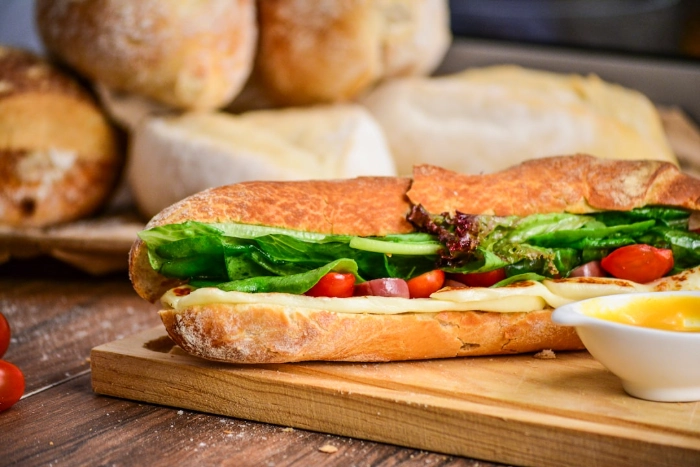
Few breads are as instantly recognizable as the French baguette. Long, slender, crackling on the outside, light and airy on the inside - it’s more than just bread. In France, baguettes are still bought daily, carried under the arm, torn open while walking home. They’re part of everyday life, and in many ways, a cultural institution.
The classic baguette, however, is traditionally made with commercial yeast. This sourdough baguette recipe takes that same iconic shape and crust-to-crumb ratio and reimagines it through slow, natural fermentation. The result is a deeper flavor, better keeping quality, and a loaf that’s gentler on digestion - without losing the soul of what makes a baguette a baguette.
This is an intermediate-level sourdough bake, but not more complicated than a standard sourdough bread. If you’ve baked sourdough before, you’re absolutely ready for this.
Ingredients (Metric + Imperial)
460 g bread flour (about 3¾ cups)
40 g whole wheat flour (about ⅓ cup)
375 g water (1½ cups + 2 tbsp)
150 g active sourdough starter (about ⅔ cup)
20 g salt (about 1 tbsp)
Hydration note: This dough sits around 75% hydration. It’s extensible and elastic, perfect for baguette shaping.
Equipment
Mixing bowl or stand mixer
Kitchen scale
Fine sieve (for flour)
2 baguette bannetons with cloth liners
Lame or sharp blade for scoring
Plastic bag large enough to cover the bannetons (or plastic wrap)
Baking stone or baking steel (highly recommended)
Parchment paper
A baguette pan is optional. Your loaves may be slightly more rustic without it - but the flavor and structure will be excellent.
Step-by-Step: How to Make a Sourdough Baguette
1. Autolyse (30 minutes)
Mix the sifted flours with the water until no dry spots remain.
Cover and let rest for 30 minutes.
This step allows the flour to fully hydrate, improving extensibility and gluten development - especially important for shaping baguettes later.
2. Add Starter & First Mix
Add the active sourdough starter to the dough and mix thoroughly until fully incorporated.
Cover and rest for another 30 minutes.
3. Add Salt & Rest
Sprinkle in the salt and knead gently until smooth.
Rest for 30 minutes.
At this stage, the dough should already feel stronger and more elastic.
4. Bulk Fermentation with Folds
Perform 3–5 sets of stretch-and-folds, spaced 45 minutes apart.
You’ll notice the dough becoming:
smoother
more elastic
slightly aerated
Bulk fermentation is complete when the dough has risen visibly and feels lively but not fragile.
If you want a deeper dive into folding logic, Folding Dough: Why It Matters and How to Do It Right explains exactly what’s happening here.
Dividing and Pre-Shaping
Turn the dough out onto a lightly floured surface.
Divide into two equal pieces.
Gently pre-shape each piece into a loose rectangle, cover, and let rest for 15–20 minutes. This relaxes the gluten, making final shaping much easier.
How to Shape a Sourdough Baguette
Shaping baguettes looks intimidating, but the logic is simple:
build surface tension without degassing the dough.
Gently flatten the dough into a rectangle
Fold the top third down and seal lightly
Fold the bottom third up and seal again
Roll from the center outward into a cylinder, elongating gradually
Aim for the length of your banneton
Once shaped, place seam-side up into the clothed baguette bannetons.
Pinch the seam closed gently to maintain tension.
The goal isn’t geometric perfection - it’s structure. Even slightly irregular baguettes bake beautifully.
Overnight Cold Fermentation (Recommended)
Cover the bannetons well and refrigerate for 8–16 hours.
This slow fermentation:
develops a deeper flavor
improves crust coloration
supports better digestibility
If you’ve ever wondered why sourdough feels lighter despite being hearty, this long fermentation is a big part of the answer - explained in more depth in Benefits of Sourdough Bread.
Scoring and Baking
Oven Setup
Preheat your oven to 230°C / 450°F with a baking stone or baking steel inside.
Stone or steel makes a noticeable difference here:
better oven spring
thinner, crisper crust
improved heat transfer
Scoring
Turn the baguettes out onto parchment paper.
Score with:
classic overlapping diagonal cuts, or
one long central cut for a rustic look.
Baking with Steam
Bake with steam for 15 minutes, then vent the steam and bake for another 10 minutes, or until deeply golden.
Steam delays crust formation, allowing maximum oven spring -the same principle explained in How to Make Homemade Sourdough Bread: A Beginner’s Guide and applied across most crusty sourdough loaves.
Cooling (Yes, It Matters)
Let the baguettes cool fully on a rack. Cutting too early will compress the crumb and release excess moisture. Patience here pays off.
Serving Ideas
This sourdough baguette shines on its own, but it’s also fantastic with:
a simple eggplant spread
good butter and flaky salt
classic French onion soup
The crisp crust and open crumb make it ideal for tearing, dipping, and sharing.
Is a Traditional French Baguette Sourdough?
Traditionally, no. Classic French baguettes are made with flour, water, salt, and commercial yeast.
This sourdough version is a modern, naturally fermented variation - one that keeps the spirit of the original while adding flavor complexity and nutritional benefits through fermentation.
Think of it as evolution, not replacement.
Troubleshooting
My baguettes spread too much
Dough may be over-proofed or under-tensioned during shaping.
Crumb is tight
Increase fermentation time slightly or reduce flour during shaping.
Crust too pale
Bake longer, uncovered, or increase the oven temperature slightly. Oven performance varies - adjust as needed.
FAQ
Can I make this without a baguette pan?
Yes. Banneton + parchment works perfectly.
Can I bake it the same day?
You can, but overnight fermentation produces better flavor and texture.
Can I use discard?
No. This recipe requires an active, bubbly sourdough starter.
You Might Also Like These Posts
How to Start a Sourdough Starter
How to Feed Your Sourdough Starter for Perfect Baking Results
Folding Dough: Why It Matters and How to Do It Right
Why Isn’t My Sourdough Rising?
Benefits of Sourdough Bread
-
Ingredients (Metric + Imperial)
-
Equipment
-
Step-by-Step: How to Make a Sourdough Baguette
- 1. Autolyse (30 minutes)
- 2. Add Starter & First Mix
- 3. Add Salt & Rest
- 4. Bulk Fermentation with Folds
- Dividing and Pre-Shaping
-
How to Shape a Sourdough Baguette
-
Overnight Cold Fermentation (Recommended)
-
Scoring and Baking
- Oven Setup
- Scoring
- Baking with Steam
- Cooling (Yes, It Matters)
-
Serving Ideas
-
Is a Traditional French Baguette Sourdough?
-
Troubleshooting
- My baguettes spread too much
- Crumb is tight
- Crust too pale
-
FAQ
- Can I make this without a baguette pan?
- Can I bake it the same day?
- Can I use discard?
-
You Might Also Like These Posts